
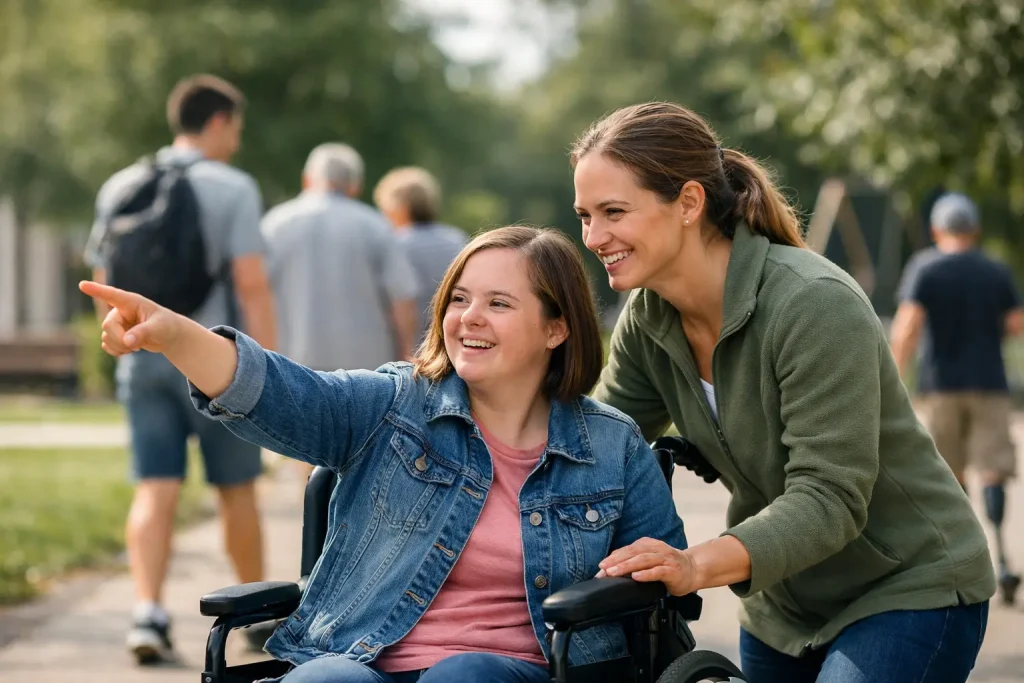
A trip to the library, coffee with a friend, an appointment across town, or joining a local class can look ordinary from the outside. Yet when disability, mobility needs, anxiety, communication differences, or health concerns make getting out harder, these moments can require thoughtful support. For many participants, the community access support NDIS can fund is not simply about getting from place to place. It is about having the choice to participate in a life that feels connected, capable, and personal.
Community access looks different for every person. One participant may want support to attend a weekly art group. Another may be working toward using public transportation with more confidence, shopping independently, volunteering, or reconnecting with family and friends. The right support starts with the person’s own goals, routines, and preferences.
What community access support NDIS may include
Community access is often funded through NDIS support categories relating to social and community participation. Depending on your plan and the way your supports are managed, this may include help from a support worker to access activities, services, and places in the community.
The support is practical, but its purpose is bigger than a single outing. A worker may provide encouragement, communication support, mobility assistance, or help with planning and problem-solving while respecting the participant’s independence. Over time, the focus may shift as confidence and skills grow.
For example, community access support may help someone:
- attend social groups, sports, hobbies, classes, or faith-based activities
- go shopping, visit a café, use community facilities, or take part in local events
- travel to appointments or learn the steps involved in using public transportation
- build daily living skills, such as managing money, making choices, or planning an outing
- maintain important relationships through regular visits and shared activities
What is reasonable and necessary under the NDIS depends on the participant’s plan, disability-related needs, and goals. A provider can help explain how support might work in everyday life, but they cannot decide what the NDIS will fund. If you are uncertain, review your plan and speak with your support coordinator, recovery coach, plan manager, or NDIS contact.
The difference between transportation and community participation
Transportation and community access are related, but they are not always the same thing. Transportation is about getting from one place to another. Community participation is about what happens before, during, and after the journey: preparing for an activity, taking part safely, communicating with others, making decisions, and building confidence.
A support worker might drive with a participant to a community group, but their role may also include helping the participant feel comfortable on arrival, supporting communication, assisting with mobility, and making sure the outing aligns with the participant’s needs. In another situation, the worker may travel alongside a person on a bus or train so they can practice a route they hope to use more independently later.
Costs can also differ. Your NDIS funding may cover support-worker time where it is included in your plan, while entry tickets, meals, memberships, or personal purchases may be your responsibility. Travel-related costs should be discussed clearly before services begin so there are no surprises.
Why the right support worker matters
Community access is personal. It asks someone to spend time alongside you in public places, around people you know, and during activities that matter to you. Consistency, respect, and a genuine interest in your goals can make a meaningful difference.
The best support does not take over. It creates enough structure for a person to feel safe while leaving room for choice. That may mean asking whether you would prefer a quiet table or a busy café, whether you want help speaking with staff, or whether you would like your worker to stay nearby rather than directly beside you.
For participants with complex health needs, the support arrangement may need additional planning. Medication timing, fatigue, mobility equipment, behavior support strategies, sensory needs, personal care, or emergency planning can all affect what makes an outing safe and enjoyable. A nurse-led provider can bring valuable clinical awareness to this planning while keeping the focus on the person rather than their diagnosis.
At Koala Home Care, community support is approached as a relationship built on dignity, trust, and careful listening. The goal is not to fill a schedule. It is to support meaningful participation in ways that suit each person’s health needs, pace, interests, and preferences.
Planning community access around your goals
A good plan begins with a simple question: what would you like more of in your life? The answer does not have to be large or formal. It could be seeing your grandchildren more often, joining a gardening group, returning to the gym, attending a medical appointment without relying entirely on family, or learning to navigate a familiar local shopping center.
From there, it helps to talk through the practical details. Consider when you have the most energy, what makes an environment comfortable, how much support you want, and what might make an outing stressful. Some people prefer a short visit at a quiet time of day before attempting a longer activity. Others benefit from visiting a new location first, meeting staff, and creating a predictable routine.
Goals should also be allowed to change. A person who initially needs close support while attending a class may later want a worker to assist only with transportation. Someone else may decide that a particular group is not the right fit and would rather try an activity with fewer people. Choice includes the freedom to adjust the plan without judgment.
Building skills without adding pressure
Skill-building works best when it feels relevant to real life. Rather than practicing a task in isolation, a support worker may help a participant use a shopping list at the store, order a drink at a café, check a bus timetable, or introduce themselves at a group activity.
Progress is rarely a straight line. Some days, a participant may feel ready to try something new. On other days, pain, anxiety, sensory overload, or fatigue may mean the plan needs to be simplified. Respectful support recognizes both moments. Independence is not measured by doing everything alone. It is having meaningful choice and the right assistance when it is needed.
What families and caregivers can look for
Families often carry a great deal of responsibility before formal supports begin. Community access can create breathing room for caregivers while giving their loved one opportunities that are not limited to family availability. Still, it is understandable to feel cautious about placing this part of someone’s life in another person’s hands.
Look for a provider that takes time to understand the participant, not just the service request. They should be clear about scheduling, worker matching, travel arrangements, communication with family or nominees, and what happens if needs change. Ask how they support continuity of care, how they manage risks, and how they respond if a participant is uncomfortable with an activity or worker.
It is also worth discussing boundaries and privacy early. Some participants want family closely involved in planning; others want greater independence and only want key information shared. The participant’s wishes should guide those conversations wherever possible.
Making participation sustainable
A full calendar is not always a meaningful one. The most sustainable community access plan is usually built around regular activities a person genuinely enjoys, with enough flexibility for health, weather, appointments, and changing energy levels.
Start with one or two priorities rather than trying to do everything at once. A weekly outing can be more valuable than several activities that leave someone exhausted. As confidence grows, supports can be reviewed and adjusted to reflect new interests, skills, and goals.
The right community support should leave a person feeling more connected to their own life, not managed by someone else’s idea of independence. A helpful first step is to name one place, person, or activity you miss or would like to try, then build the support around making that connection possible.